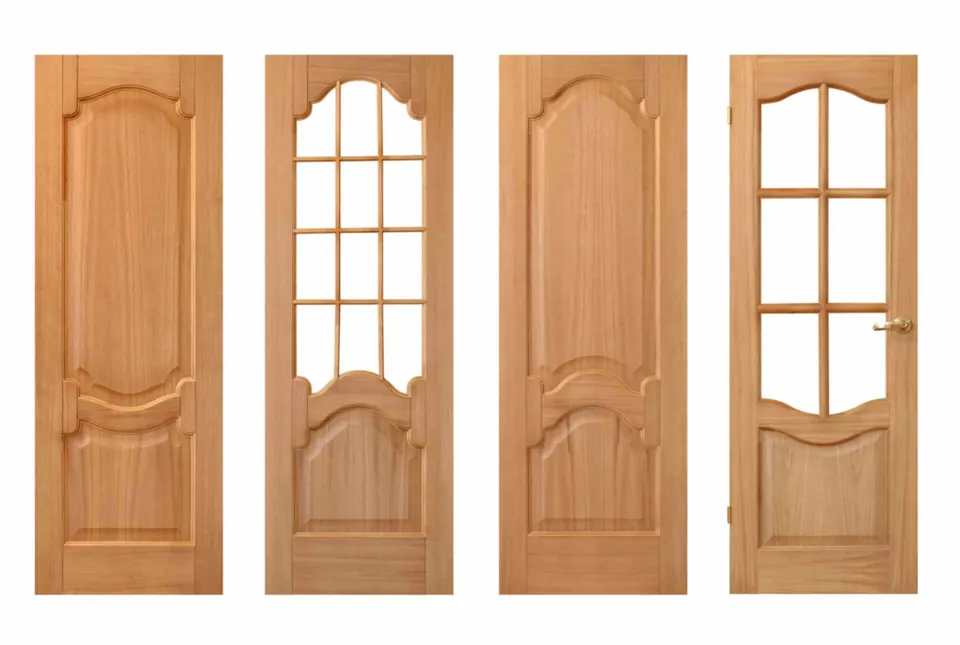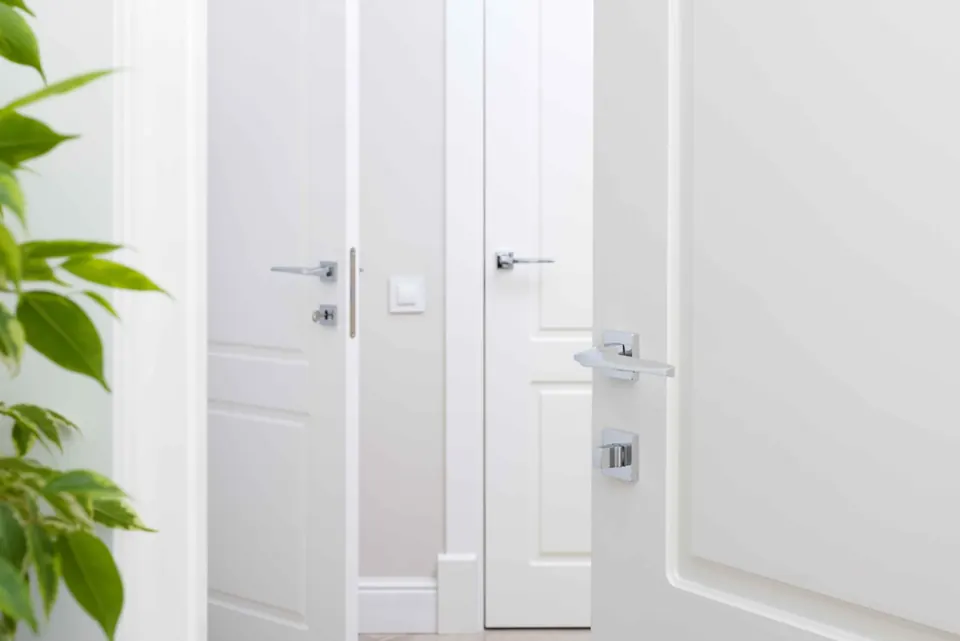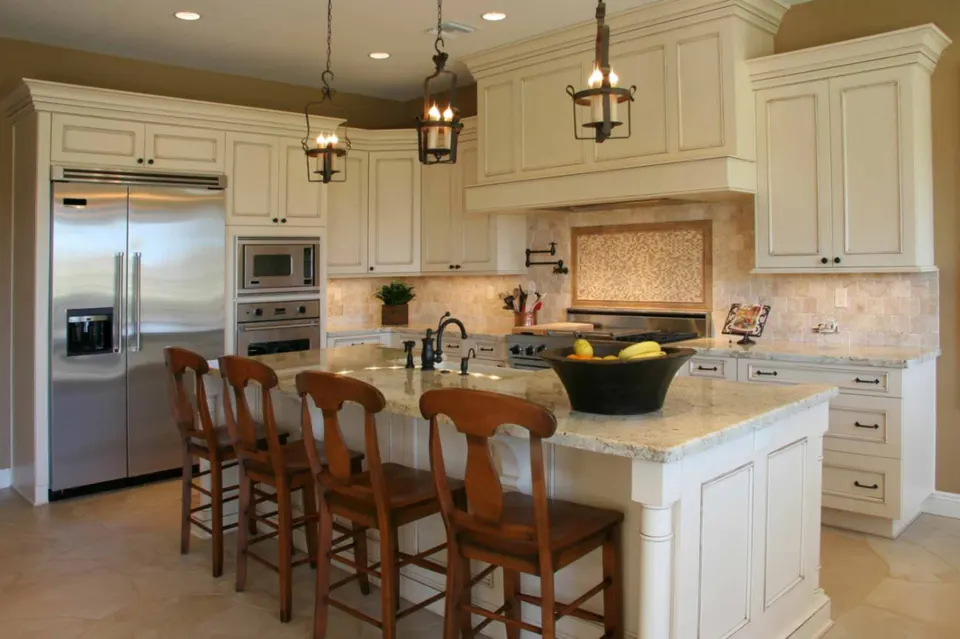
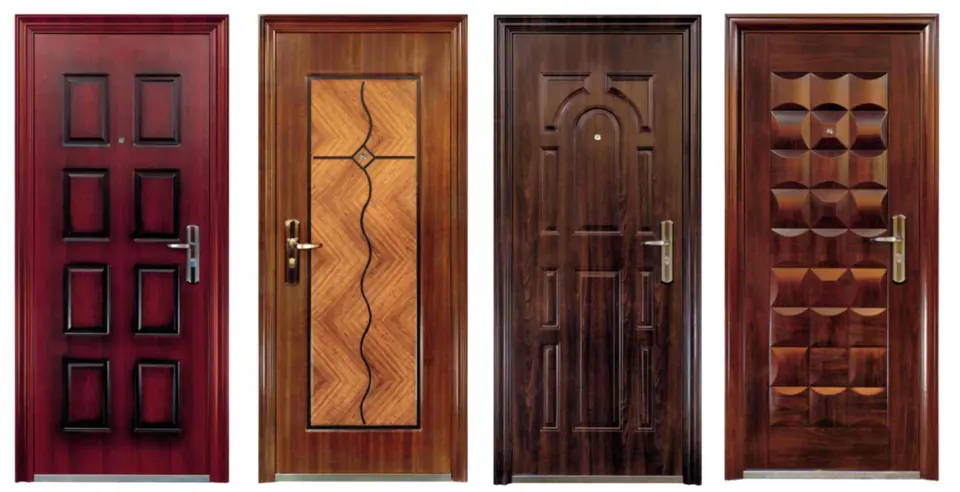
A custom door is one of the most personal design choices you can make. CNC routing makes it possible to create doors with patterns and details that would be difficult or impossible by hand, turning a simple door into something exceptional. Here’s how to develop a CNC door design that reflects your style.
Start with your style
Before you design anything, decide what you want your door to say. Do you lean toward contemporary minimalism or timeless luxury?
CNC routing can handle almost anything. Modern designs often favor straight lines and crisp angles, while traditional designs feature curves and ornate detail. Knowing your style sets the direction for the whole project.
For a modern look, consider geometric patterns, fine grooves, or a subtle carved detail. For a classic look, consider raised panels, intricate patterns, and rich textures.
Practical tips for your design
Gather inspiration. Collect ideas from design magazines, online galleries, home décor stores, architecture, and travel. The more you collect, the clearer your vision becomes.
Develop a detailed design. Sketch your ideas, then refine them in CAD software so you can experiment with patterns and depth before anything is cut. If you’d rather not do it alone, a designer can help turn your ideas into a buildable plan.
Choose the right materials. Wood brings warmth and a traditional feel; metal accents read as more contemporary. Consider both appearance and how the door needs to perform.
Plan hardware and finishes. Hinges, handles, and locks should match the design — slim and simple for modern doors, more decorative for traditional ones. Choose a paint or stain that looks great and protects the door for years.
Work with experienced professionals. Choose a CNC shop with experience in custom doors and a track record of satisfied customers. The right partner brings your vision to life with the detail it deserves.
Don’t forget function. A door has to work, not just look good. Make sure the design suits the opening, operates smoothly, and works with your hardware.
Make a prototype or sample. A sample panel lets you see how the design, material, and finish look in real life. Adjust anything that isn’t right before the final door is made.
Set a budget early. The cost of a custom door depends on the design, material, and labor. Set a budget at the start — including design, materials, and installation — and share it with your designer to avoid surprises.
The bottom line
Designing a door that reflects your style is one of the most rewarding parts of a home project. CNC routing brings precision and freedom to the process, so the finished door is both functional and uniquely yours.