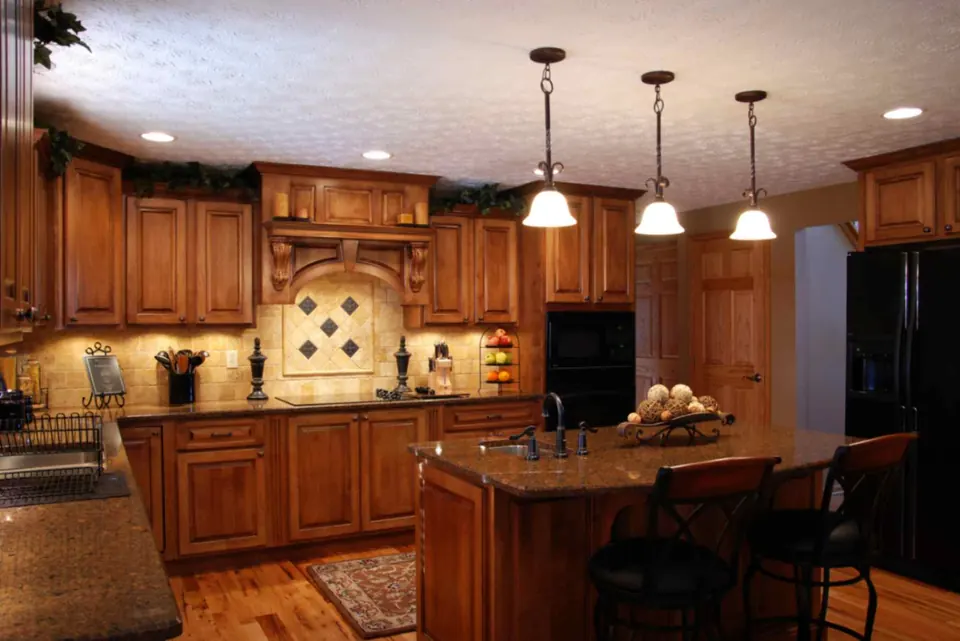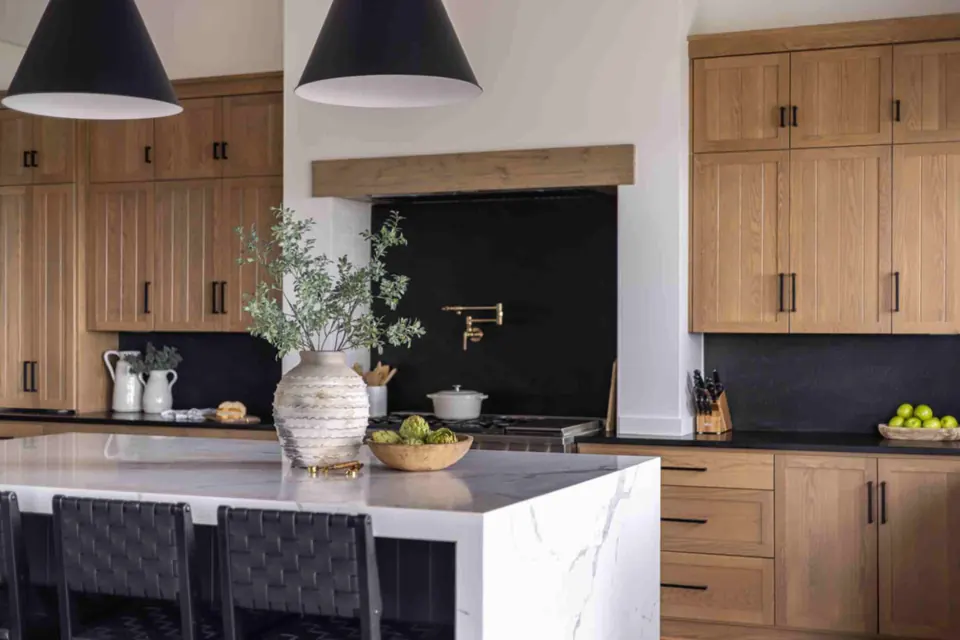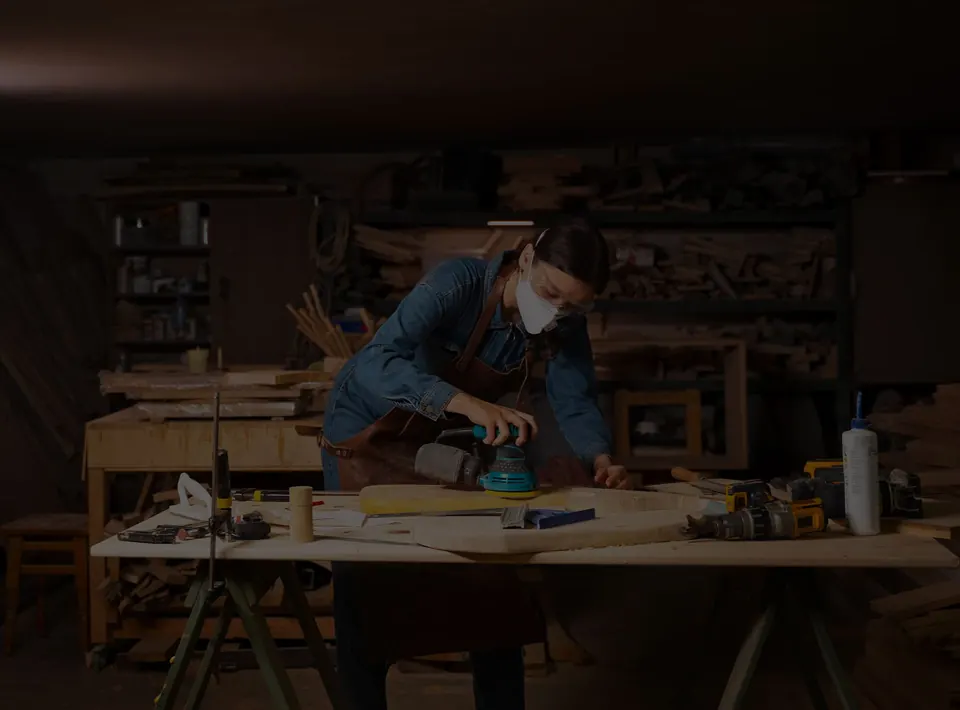
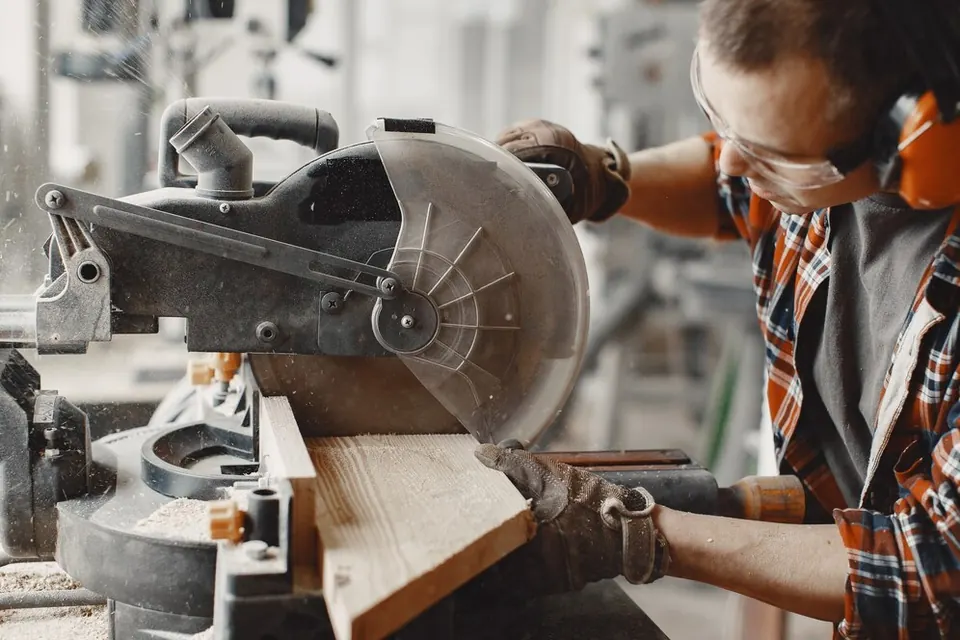
Custom cabinetmaking has changed enormously over the past few decades, and CNC routing is one of the biggest reasons why. The technology has improved every stage of the process, from design through production and installation, raising the bar for quality, efficiency, and innovation. Here are ten advantages CNC routing offers custom cabinet makers.
10 advantages of CNC routing for custom cabinets
1. Precision and accuracy
Traditional methods rely on measuring and cutting each part by hand, which leaves room for human error. A CNC router follows exact programmed instructions, making cuts, notches, and joints to tight tolerances. That precision is essential in cabinetry, where tight gaps and a perfect fit are what customers expect.
2. Efficiency and speed
Once a design is programmed, a CNC router can produce many components quickly and accurately. Automation takes far less time than cutting, shaping, and sanding by hand — and delivering high-quality work quickly is a real competitive advantage.
3. Creativity and design flexibility
CNC routing makes detailed, intricate, and geometric designs practical — patterns, grooves, and contours that would be difficult to produce by hand. From textured carving to engraving, it lets cabinet makers offer a wider, more distinctive range of work.
4. Cost-effectiveness
A CNC router is a significant investment, but it pays off over time. Precise cutting minimizes wasted material and scrapped parts, and faster production reduces labor costs. Over time, those savings offset the initial investment and improve profitability.
5. Consistency and quality control
CNC routing produces identical parts every time, eliminating the variations that come with manual work. Consistent parts mean cabinets that look and function as intended, and replacement parts that match perfectly — which leads to satisfied customers and repeat business.
6. Faster prototyping and iteration
CNC routing makes it quick and easy to produce prototypes. Cabinet makers can test a new design, refine it, and fine-tune every detail before full-scale production, encouraging creativity because changes are easy to make.
7. Seamless integration with design software
CNC routers work directly with CAD software, eliminating error-prone steps between design and production. A detailed digital model becomes precise machine instructions, so the finished cabinet closely matches the designer’s intent.
8. Less physical labor
CNC routing reduces the need for repetitive, physically demanding, and sometimes hazardous tasks like sawing and chiseling. That improves workplace safety and frees skilled craftspeople to focus on work that needs their expertise, such as design, assembly, and finishing.
9. Scalability
CNC routing makes it easy to produce a single custom piece or a large batch of identical cabinets. Businesses can scale up as orders grow without sacrificing precision or speed.
10. Competitive advantage
Cabinet makers using CNC technology can deliver faster turnaround, more accurate cuts, and more elaborate designs than shops relying solely on manual methods. That edge helps attract customers and supports long-term growth.
The bottom line
CNC routing is a major advance in custom cabinetmaking, improving quality, productivity, and creativity. Its benefits — precision, shorter production times, design flexibility, and lower labor costs — help cabinet makers deliver their best work on every project. For those who embrace it, the possibilities are wide open.